



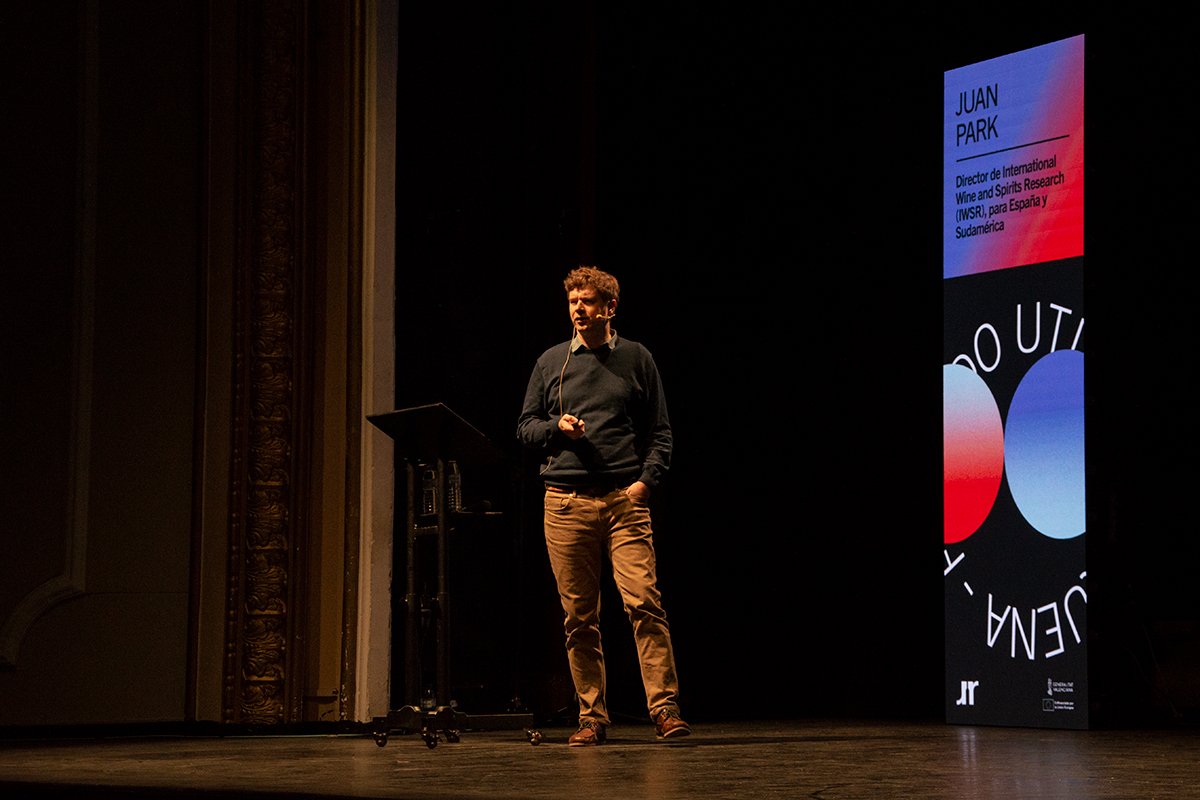
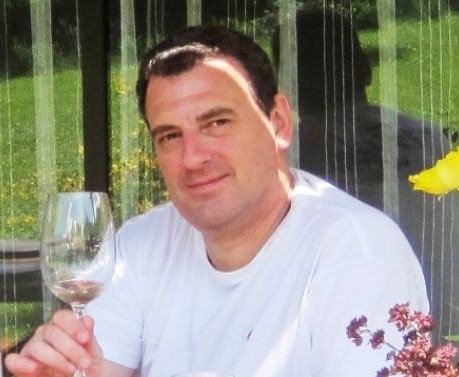
Juan Park has spent more than nineteen years analysing trends, markets, and consumer behavior in the fascinating world of wine. From his strategic position, he has witnessed the evolution of the industry and has helped wineries around the world navigate, sometimes, turbulent waters. Today he shares with us his vision, his learnings, and his optimism about the future of wine.
In a sector traditionally guided by intuition and family legacy, Juan Park represents a necessary evolution: the union between the soul of wine and the precision of data. As Business Director of IWSR (The International Wine and Spirits Research) for Spain, Portugal, and Hispanic markets in South America, he does not limit himself to observing the market from a distance: he breaks it down, understands it, and translates it into strategies that make a difference for hundreds of wineries across three continents.
His arrival at IWSR, the global authority in beverage data and analysis, consolidated a trajectory of nearly two decades in market research. IWSR is not just a consultancy; it is the gold standard that major industry players turn to in order to understand where consumption is heading. From this position of influence, Park has expanded his reach beyond wine to cover the entire spectrum of spirits, providing a 360-degree vision that few can offer.
In an era where the consumer changes faster than ever, where the rules of the game are rewritten every season, and where global competition is fierce, he has become a beacon for producers seeking to navigate with certainty. His ability to anticipate trends, interpret behaviors, and connect markets as distant as Madrid, Lisbon, Buenos Aires, or Mexico City has positioned him as one of the most influential, and listened to, minds in the current wine and spirit’s landscape.
What distinguishes Juan Park is not only his technical mastery, but his deep conviction that wine, despite all its complexity, must remain a space for encounter, not exclusion. He argues that tradition and innovation are not at odds, that data serves to empower wineries, not to intimidate them, and that the future of wine will be bright only if we manage to speak the language of new generations without losing our essence.
Today, in this exclusive interview, Juan Park shares with us his panoramic vision of some of the most exciting wine regions on the planet, warns us about the challenges ahead, from declining consumption in mature markets to the emergence of new competitors, and, above all, reminds us why we fell in love with wine in the first place. Prepare your glass: this is going to be inspiring.
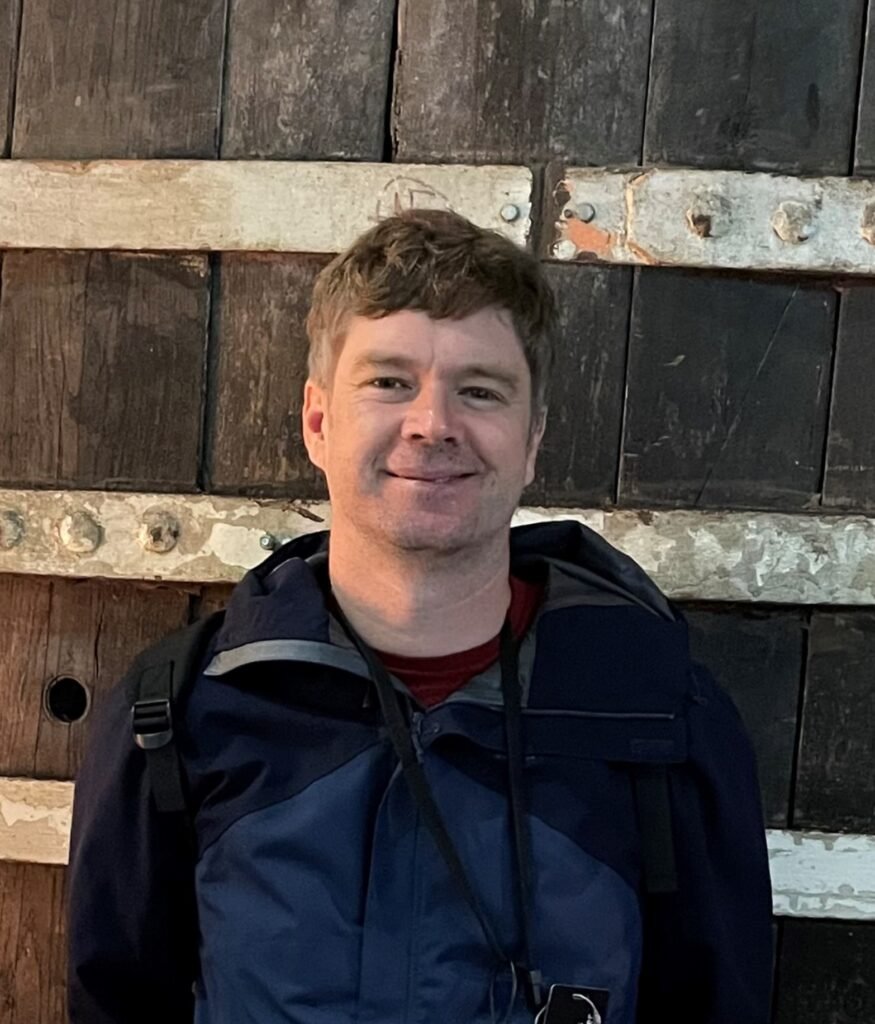
Introduction and Career Path
How did you get into the world of wine? Tell us a little bit about your professional trajectory before Wine Intelligence.

«I didn’t come to the world of wine from a family of winemakers, I came through sociology, which is what I studied in Salamanca. I also specialized in research techniques, so my intention was always to understand wine markets and the consumer from a scientific and sociological perspective.»
What hooked you about market research applied to the wine sector?
«From the beginning, I have always been interested in understanding why we are the way we are and why we do what we do from a cultural point of view. I think it marked me to always be of a different nationality and live in another country, and to understand why what is assumed as normal in one place isn’t in another. I was always fascinated by understanding the differences between consumers in different markets. Here we are accustomed to what we have around us and consider it normal, and then you realize that in other markets the consumer chooses differently, has different codes, chooses other wine styles that better adapt to their needs… And from the beginning, understanding these differences always seemed fascinating to me because it was combining what I studied with a category that I always had present, having grown up in Valladolid surrounded by wines, wineries, and in a family that has always appreciated wine.»
After fifteen years analyzing wine data, what continues to surprise you about the sector?
«I continue to be surprised by the speed of social change and how the wine sector adapts to new circumstances. Sometimes, the sector is criticized a bit for being slow, but I always see many wineries and many analysts who are quick to understand changes and adapt the product to new circumstances. It is true that from a production point of view it is slower than other categories, but now with the emergence of Ready-to-Drinks (RTD), we are forced to be more flexible regarding product, and what fascinates me is seeing how the market changes because of how society changes around it.»
About IWSR and Its Philosophy
IWSR (The International Wine and Spirits Research) is a world reference in research. What makes its approach different from other consultancies?
«Before at Wine Intelligence and now at IWSR, we always try to represent reality in the best possible way based on data and what consumers tell us, in order to help wineries and the sector have a realistic vision when things are going well and also when things are not going well. Now, there’s also a lot of focus on other categories due to now that the alcoholic beverage market is declining, the battle for occasions and for the consumer’s mind is more important than ever.»
How do you balance analytical rigor with the human sensitivity required to understand such an emotional product as wine?
«You always have to look at markets from a macro point of view, volume, trends, growths and declines, and then, a micro analysis of why trends are the way they are: how the economy is affecting the consumer, how generational changes, technology, lifestyles are affecting… that is, we always want to understand macro trends from the sensitivity of the individual. It is true that the wine category is special in terms of its complexity, but it also competes with other categories like beer, ciders, RTDs as we have discussed, and we cannot think that we are unique and special, but rather that we have to be competitive in the context of a consumer who has more and more options to choose from. Wine has to be attractive in an increasingly competitive market.»
What has been the project or study you are most proud of?
«Well, with 19 years doing this, there are obviously many studies that I remember fondly, like those I did for the Observatory for the Spanish sector years ago, those I have done for different Regulatory Councils like Rioja, Ribera, Vinho Verde, for Wines of Chile as guild associations, presentations for the industry at Prowein or the BWW, studies in Japan, Korea… and then many studies for wineries on opportunity analysis, brand tracking, design and label testing… and in the end, it sounds obvious, but the most comforting thing is when they confirm that the study helped them to improve in the market and they send you wine as a thank you, haha.»
The Spanish Market
How would you describe the current state of the wine market in Spain?
«The Spanish market has its peculiarities and advantages, like the rise of tourism, but it is also going through some problems equivalent to other markets such as the housing crisis, delayed emancipation, and uncertainty. This uncertainty makes consumers more careful about what they do and how they do it. It is also very obvious—the generational differences: we have older consumers who take more care of themselves and live longer; middle-aged consumers who still like to socialize but are getting older and want to go to bed earlier (hence the «tardeo» [afternoon socializing]); and then, younger consumers who have different leisure activities than we had and more responsibilities… and that also affects on how and where they consume.»
What unique strengths does Spain have compared to other world wine powers?
«Unique strengths, many and none. Let me explain. People always talk about diversity, but many origins have diversity; they talk about wine quality, but many origins have quality wines; they talk about value for money, but there are also other origins that offer value for money. So, I do not believe we have to think that we have something unique, but rather that we have to position our products better. In the international landscape, we compete with France, Italy, Germany, Argentina, New Zealand, California, Chile… and all these competitors have wines with very good reputations. The battle is in positioning ourselves in markets and being better known than others, so that when a consumer goes to a restaurant, a Spanish wine comes to mind; when a consumer wants a sparkling wine, they think of ours. That is really the mental battle with the consumer. Not thinking that we are unique and that the consumer will come to us, but rather working so that the consumer considers us before, or at least at the same level as, the competition. Which is no small thing. We have to fight every match, like Spain in the World Cup.»
What specific challenges do Spanish wineries face at this moment?
«Well, Spanish wineries are very diverse, but we can say that the biggest challenges now, perhaps, are centred around price and style, because in the wine market, the importance of entry-level or lower-priced wines is declining at a faster rate, and the importance of red wines, especially powerful ones, is also declining. So, the best-adapted wineries are those that, through good vision or regional characteristics, have white or rosé refreshing wines, etc., those are the ones with the wind somewhat in their favor right now, and other wineries will have to think carefully about how to adapt their offering to current market conditions. It does not have to do with the quality of the wines, but rather which styles are being more demanded as consumption occasions and consumer motivation change.»
Are you seeing a true transformation in how the Spanish consumer understands and consumes wine?
«Sociologist Dr. Jean Twenge analyses that generational differences are being amplified because the technological differences in which different groups grow up or develop are increasingly different between social groups. And yes, we are seeing in Spain and in other markets how leisure is transforming from night to afternoon, how third spaces like music festivals are growing, even how people go to gyms at different times… in short, a consumer with a greater search for individual expression. And also, regarding meal times, there have been changes in duration, company, ingredients, culinary origin… we see that there is a transformation in something as linked to wine as gastronomy. All these social and cultural changes make consumers demand wine styles for other occasions, for other contexts, where refreshing wines, sparkling wines, or mixology respond better to these growing consumer needs. It is also interesting to see how in Spain grape variety is growing as a decision factor.»
South America: A Continent of Opportunities
As an expert in the region, how would you characterize the current moment for South American markets?
«Many of these markets have always been considered emerging, and there is increasing interest in the Brazilian market, for example, but also Caribbean markets, Central America, North America like Mexico, which are always very interesting markets for Spanish wineries due to greater cultural or language proximity.»
What do you think South American wineries lack to position themselves more strongly on the global stage?
«Each one has its challenges. With Chile, what we have analysed for many years is that it has a strong association with value for money, which was successful especially after the 2008 crisis when consumers wanted to keep drinking but perhaps looked for origins that helped them find the wines they wanted in a more accessible way. The challenge is that now consumers are not looking as much for those volume wines because they drink less, but as they say, they drink better or a bit more expensive. So, Chile must reposition itself to be competitive in consumption occasions more appropriate to the current consumer situation. Argentina obviously has the challenges of the decline in its domestic market, which weighs much more for them than for Chile, but also opening up to having more variety beyond Malbec and beyond dependence on the United States and other key markets. Obviously, they know this very well in the Argentine wine sector, but the difficult part is repositioning internationally or positioning new wines in such a competitive context—it is not easy and takes a lot of time and investment.»
What opportunities are wineries in the region missing?
«One thing is knowing the opportunities, which are often known; another, more difficult thing is being able to take advantage of them because they require changing product, investing, and perhaps entering markets where other competitors already have the lead. For example, sparkling wine is an opportunity, but one where you have to compete with Champagne, Prosecco, Cava… which already dominate the market, so sometimes joining a trend, even when is well identified, takes time and investment. It is not automatic or easy by any means. It requires something extraordinary»
Global Trends
What do you think are the three most important trends defining the future of wine globally?
Moderation.
Economic inequality between generations.
Inflation (rising costs or currency devaluation, whatever we want to call it).
How is the wine consumer profile changing, especially among millennials and Generation Z?
«The contexts in which these generations operate are very disparate. Leisure was different, future prospects were different, playing outside or being at home with a screen. This has an impact on how we now see consumption in bars, nightclubs, festivals… To this we add the trend of «taking better care of oneself.» Everyone tries to take better care of themselves within their context.»
What role do sustainability and climate change play in current purchase decisions?
«Unfortunately, they are not such relevant considerations for the majority of consumers. It can vary the choice slightly in certain cases, but they don’t determine it for most. It is important for wineries, but except for certain markets, it is not such a determining factor when choosing wine.»
How is technology (AI, online sales, apps) transforming the relationship between wineries and consumers?
«Perhaps unevenly. If we focus on online sales, there is greater access and flexibility to buy any type of wine. Having more purchase and discovery options is always good. In the case of AI and the consumer, if what we change is being able to talk to humans for talking to AI, it can be negative for the final consumer experience when they need to answer a very specific question.»
Democratization of Wine
Wine is sometimes perceived as elitist or intimidating. How do we change that collective narrative?
«Within wine world there is much to discover; there are wines that reach very high prices, there are many regions and styles. I do not think that is bad. Can it be intimidating? Of course. For some consumers, buying wine is like going to a Korean supermarket; it is not easy to navigate what you do not know. But that is what regions, varietals, and/or brands are for, to make the choice easier. If someone wants wine, in the end they cling to what they recognize to choose.»
What can the industry do to make new consumers feel welcomed rather than judged?
«I think there are many wineries that have done a lot in this regard. And generally, they do very well because the average consumer is obviously not an expert. As I said, in the end the consumer chooses using what they recognize, whether it’s different regions, varietals, brands, or recommendations from someone they can trust. We have many tools to make choosing wine a bit easier for each consumer depending on their level of knowledge. The one who manages to facilitate the choice ends up being more profitable. That is the great work of Marketing.»
Do you think we are losing new generations of consumers? How do we win them back?
«New generations have a wider range of options to choose from, even more so now with the proliferation of RTDs. We will win them back as soon as we manage to be relevant for their consumption occasions with quality products.»
Strategy and Advice for Wineries
What advice would you give to a traditional family winery that wants to modernize without losing its essence?
«To modernize, good advice is to look back. For example, Ferrari released the Luce, which was criticized because it was an electric car… that forgot Ferrari’s identity. However, Renault released an electric car based on… the Renault 5! A success. Move forward, but with one eye on history.»
For a winery that wants to export for the first time, where should they start?
«Join existing organizations. Learn how different markets work and carefully review which product is most suitable for export.»
How should a brand balance its local identity with adaptation to global markets?
«Thinking about how to create a bond with consumers in international markets. There are many examples; one I like is the Chilean brand called «1865,» which to promote itself in South Korea associated those numbers with «18» (number of holes in golf) and «65» (par for a course), and thus managed to link a meaningless number with a sport of growing interest in that market.»
Reflections on the Industry
How did the pandemic affect the world of wine? What lessons did that crisis leave us?
«The pandemic showed us the ability of wineries to adapt in record time at a moment when the change in sales channels was so sudden. It also serves as a warning not to over-dimension sudden changes (the growth in the Food retail channel quickly returned to «normal,» but stocks remained very high for years). The consequences in terms of consumption and inflation we are still feeling even so many years later.»
What aspect of the future of wine concerns you the most?
«I have confidence in Generation Z’s ability to take the reins, but I regret the difficulties they will have in accessing housing, becoming independent, or starting a family. The greater importance of non-productive sectors versus productive ones is an impediment for new generations to develop their potential. And this will affect wine consumption since it is linked to maturity and vital and economic independence.»
And conversely, what gives you hope and optimism about the future of the sector?
«I am optimistic about the sector’s ability to adapt to change (out of necessity or vision).»
Final Message
What message would you like to leave for our readers, especially those who dream of dedicating themselves professionally to the world of wine?
«It is a complex but fascinating world, with great professionals, interesting discussions, and very dynamic despite what it sometimes seems from the outside.»
If you could define wine in a single sentence, what would it be?
«In vino veritas.»
«And if you allow me another about whether we should maintain tradition or innovate, one from Jorge Pardo, flutist and saxophonist for Paco de Lucía: All purity is a forgotten mixture.»
What do you do in your free time?
«I spend a lot of time with my family trying to ensure my children have an analogue life in addition to digital; I love nature and increasingly playing music…»